
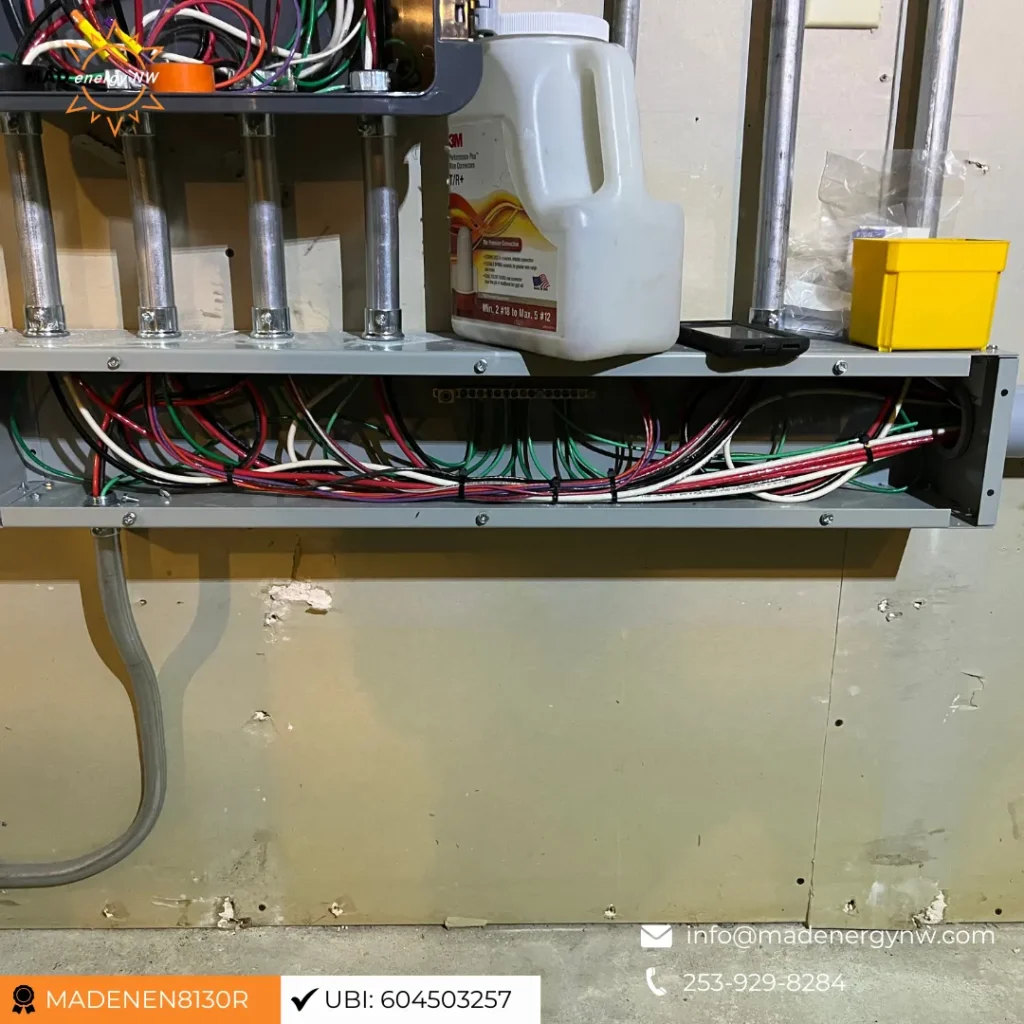
Homeowners searching for “house rewiring near me” are often doing so after a safety inspection identifies problems within the electrical system. A failed inspection does not always point to a single damaged wire or loose connection. In many cases, it reflects broader concerns involving outdated materials, deteriorating wiring, or installation methods that no longer meet current electrical standards. MAD Energy NW provides professional wiring and cabling services that address these issues at the system level to restore safety and reliability.
The wiring hidden behind walls plays a central role in how electricity moves through a home. When that wiring becomes compromised, inspections are designed to flag risks early, before they escalate into power interruptions or safety hazards.
What Safety Inspections Are Designed to Identify
Electrical safety inspections focus on whether a home’s wiring can carry power safely and consistently. Inspectors look for deterioration, improper connections, and materials that do not meet current code requirements.
Common findings include frayed conductors, cracked insulation, loose terminals, and damaged conduit or cable sheathing. Even when these issues have not yet caused outages, they indicate elevated risk for arcing, overheating, or unstable power delivery. When multiple concerns appear across different parts of the system, limited repairs may no longer be sufficient to resolve the underlying issues.
Why Older Wiring Systems Often Fail Inspections
Many homes still rely on wiring systems installed decades ago. Knob-and-tube wiring and aluminum wiring were once common but are no longer suitable for modern electrical demand or safety expectations.
These systems were not designed to support today’s appliances, HVAC equipment, or technology-heavy households. Over time, materials degrade and connections loosen, increasing the risk of inspection failures affecting safety and load capacity. When inspectors identify outdated wiring and visible wear, rewiring is often recommended to align the system with current standards, rather than relying on piecemeal fixes.
The Role of Loose and Damaged Connections
Loose electrical connections are a frequent reason homes fail safety inspections. Connections that are not properly secured can lead to power fluctuations, arcing, and heat buildup within walls or junction boxes.
Damaged conduit or cable sheathing also raises concerns during inspections. Exposed or compromised wiring is more vulnerable to physical damage and environmental factors, which can affect insulation and grounding. Rewiring allows electricians to replace compromised sections and restore secure, insulated connections throughout the system, rather than addressing isolated problem areas.
How Rewiring Improves Code Compliance
Electrical codes evolve as safety standards and usage patterns change. Homes wired under older codes may still function but fail inspections because they no longer meet current requirements.
Rewiring updates materials, grounding methods, and connection practices so the system aligns with modern codes. This ensures electricity is distributed safely across all circuits and that protective devices operate as intended under load.
Capacity Concerns After an Inspection Failure
Safety inspections also assess whether a wiring system can meet current electrical demand. As homes add appliances, smart devices, and upgraded systems, older wiring may struggle to safely support the increased load.
When inspectors identify wiring that lacks sufficient capacity, rewiring becomes a practical way to reduce stress on circuits and improve overall power distribution. Addressing capacity concerns through rewiring helps stabilize the system and reduces the likelihood of future inspection failures.
Generator and Low-Voltage Wiring Considerations
Inspection reports may also flag issues with specialized wiring, including connections between generators and main electrical panels. Deteriorated or improperly installed wiring in these areas can affect reliability and safety.
Low-voltage data and communication cabling may also be reviewed, particularly when poor installation contributes to disorganization, interference, or code concerns. Rewiring projects often correct these supporting systems so the entire electrical infrastructure functions as intended.
Why Rewiring Is Often the Recommended Solution
When inspection findings indicate multiple wiring issues, rewiring provides a comprehensive solution. It allows electricians to replace outdated materials, correct hidden damage, and resolve installation deficiencies in a coordinated manner.
This approach reduces the risk of repeated inspection failures and minimizes the need for ongoing corrective repairs. Rewiring establishes a stable foundation that supports safe, consistent power throughout the home.
What Happens After a Rewiring Recommendation
After a failed inspection, a detailed wiring evaluation determines the scope of work required. This assessment identifies which areas need replacement and whether full or partial rewiring is appropriate.
Rewiring plans are developed to address inspection findings directly, focusing on restoring compliance and safety without unnecessary disruption. Clear communication and professional oversight help homeowners move forward with confidence.
Further Reading:
- Generator Maintenance to Support Winter Power Needs in Auburn
- Understanding Electrical Panel Upgrades in Washington
Moving Forward After a Failed Electrical Inspection
Failing a safety inspection signals the need for meaningful electrical updates, not guesswork or temporary fixes. Rewiring addresses the root causes of inspection failures by replacing outdated materials and restoring secure, code-compliant connections.
Schedule an evaluation with MAD Energy NW to determine whether “house rewiring near me” is the right step for bringing your home’s electrical system back into compliance.