
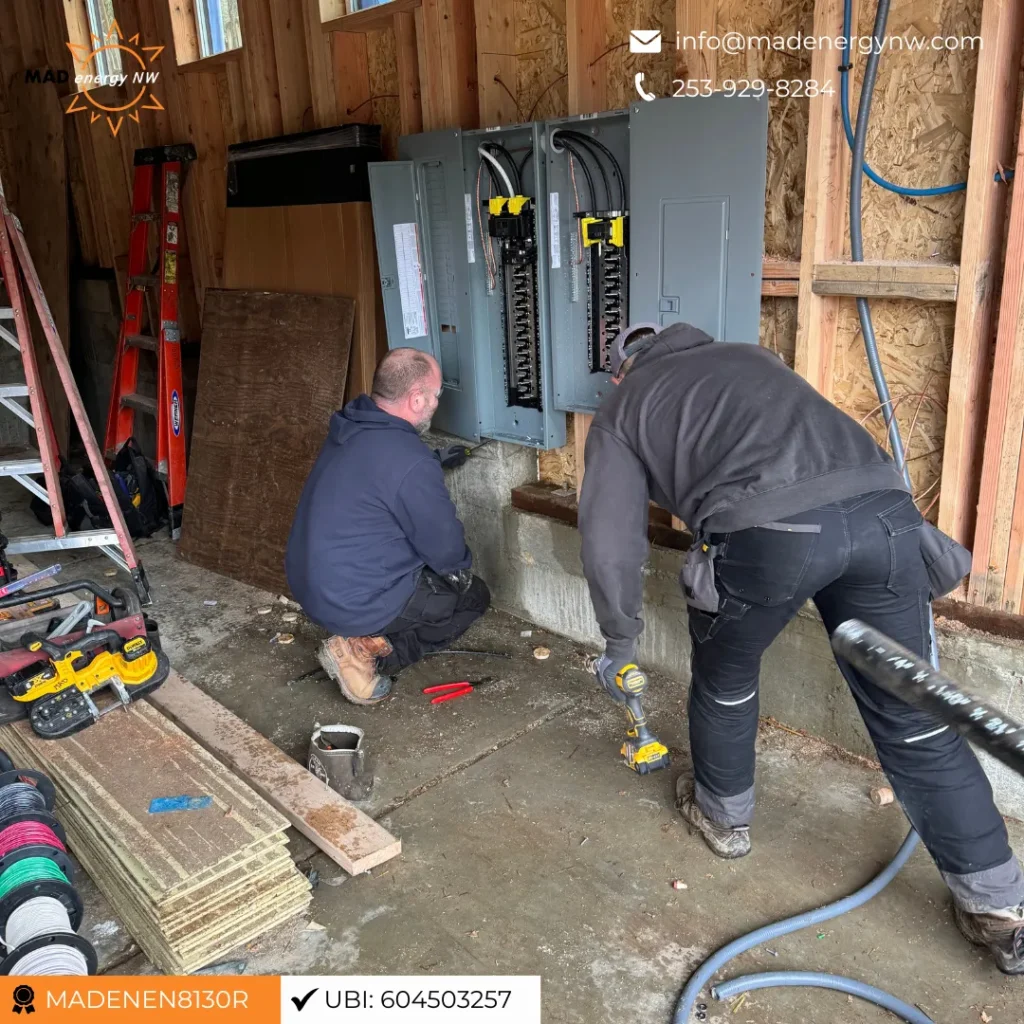
MAD Energy NW works with homeowners across Washington who rely on space heaters during the colder months and notice electrical issues they had not experienced before. When heaters are running, especially in multiple rooms, existing electrical systems can be pushed closer to their capacity limits. Situations like this often prompt homeowners to consider an electric panel upgrade in Washington, particularly when warning signs appear during routine winter use.
Space heaters draw a high amount of electrical current. In homes with older or undersized panels, that added demand can highlight limitations that were already present. The heaters themselves do not create these conditions. Heater use simply makes existing electrical constraints easier to recognize.
Why Space Heaters Stress Older Electrical Panels
Many homes were built before modern electrical demands became common. Older panels were not designed to support today’s mix of appliances, electronics, and seasonal heating devices. When space heaters are added to the load, circuits can reach their limits more quickly than expected.
This increased demand may cause breakers to trip, lights to flicker when heaters turn on, or panels to feel warm to the touch. These signs suggest that electricity is not being distributed as evenly or safely as it should be. MAD Energy NW evaluates these conditions to determine whether the panel can continue to support household demand or whether an upgrade is required.
Common Warning Signs That Appear During Heater Use
Running space heaters can make electrical issues more noticeable because they draw steady, high power. Breakers may trip more frequently, especially when heaters operate alongside other appliances. Flickering lights can occur when circuits are strained.
Some panels may produce a buzzing sound or feel warm when the heater is in use. Limited space for additional circuits or outdated fuse boxes can further limit how electricity is managed. These warning signs often indicate that the panel is no longer well matched to the home’s electrical needs.
How Electrical Panels Manage Power Distribution
An electrical panel serves as the central point where power enters the home and is distributed across individual circuits. Each electrical circuit is rated to handle a defined amount of power without exceeding safe operating limits. When demand exceeds the panel or circuit rating, breakers interrupt power to reduce risk.
MAD Energy NW assesses panel load capacity to determine whether a panel can safely supply power during high-demand periods, such as when space heaters are in use. This evaluation focuses on how electricity flows through the system rather than on individual appliances.
Why Panel Age and Condition Matter
Older panels may show visible signs of wear or deterioration over time. Internal components can degrade, reducing the reliability with which breakers respond when electrical demand increases. Panels with limited breaker space may struggle to accommodate temporary or seasonal loads without exceeding their intended limits.
An electrical panel upgrade replaces outdated equipment with a modern, properly rated panel and breakers. This enables more even electricity distribution and helps the system operate within safe limits during winter heating periods.
Safety Considerations During Winter Heating
Electrical safety becomes especially important in winter when heaters may run for extended periods. Overloaded systems increase the risk of overheating, arcing, or damaged wiring. These risks are tied to capacity and panel condition rather than to heater use alone.
Electrical panel upgrades involve live circuits, heavy wiring, and detailed load calculations that require licensed expertise. MAD Energy NW completes each upgrade with attention to grounding, breaker configuration, and code compliance to ensure reliable performance during peak demand periods.
Preparing for Future Electrical Needs
Upgrading an electrical panel does more than address winter heating concerns. A modern panel provides capacity for future additions such as EV chargers, HVAC systems, backup generators, or solar energy. These systems require adequate electrical capacity to operate safely.
A properly sized panel reduces the likelihood that seasonal devices will strain the system. This preparation helps keep the electrical system stable as household needs evolve.
Professional Evaluation Makes the Difference
Electrical panel work requires careful planning and verification. A professional evaluation ensures that panel sizing, breaker ratings, and wiring connections align with the home’s electrical demand and meet Washington State requirements.
MAD Energy NW begins every panel upgrade with a full assessment of the home’s electrical system. This process helps determine whether winter heater use is revealing a capacity limitation, component deterioration, or another condition that should be addressed through a code-compliant upgrade.
Further Reading:
- What Everett Homeowners Should Review Before an Electrical Panel Upgrade
- Signs an Outdated Electrical Panel May Need Replacement in Washington
Understanding Electrical Capacity Before Issues Escalate
An electrical panel forms the foundation of a home’s power system. When a space heater is used and causes breaker trips, flickering lights, warm panels, or buzzing, it often indicates the system is nearing its limits. Addressing these signs early allows homeowners to plan improvements rather than react to emergencies.
Contact MAD Energy NW to schedule an assessment for an electric panel upgrade in Washington.