
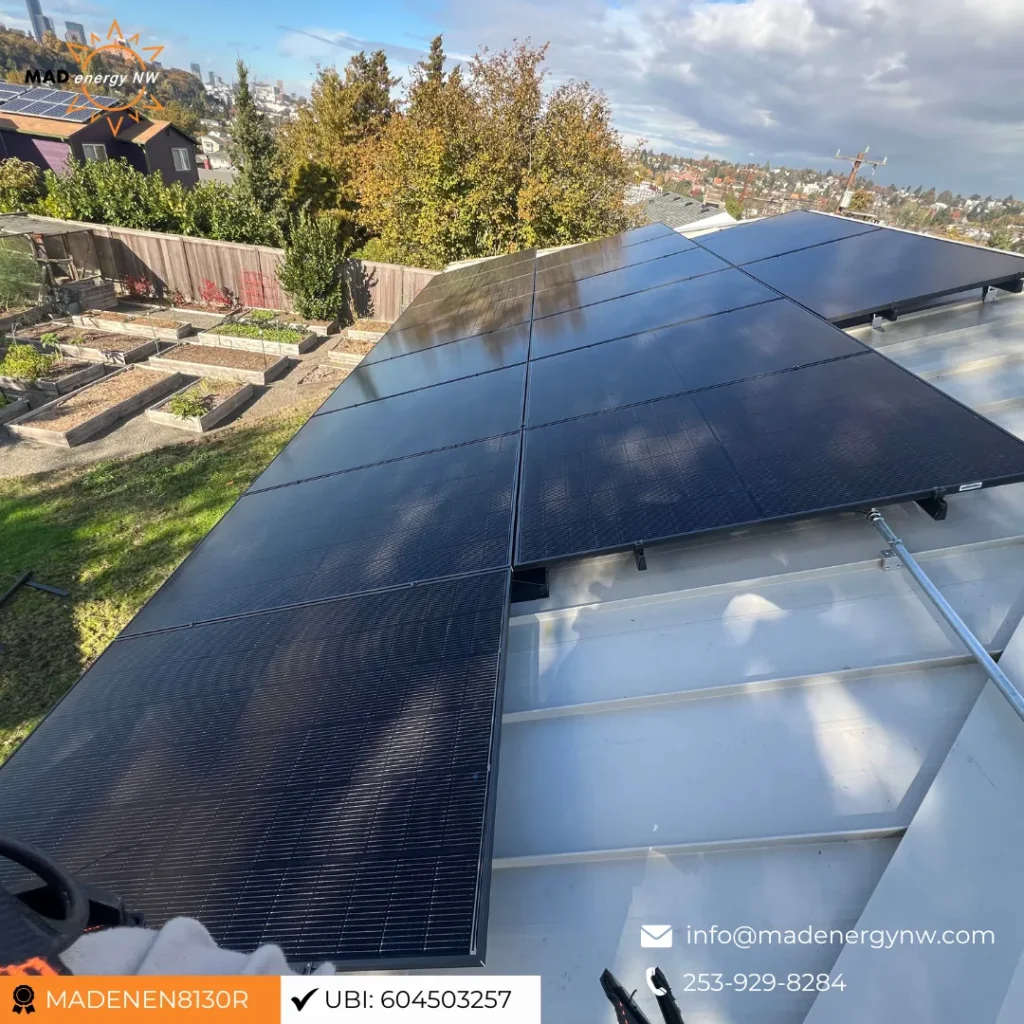
Solar panel installation in Olympia is often scheduled alongside spring roofing projects because the timing enables better coordination between structural work and electrical system upgrades. Spring is a common season for roof replacements and repairs in Western Washington, making it a practical window to evaluate whether solar should be integrated at the same time. MAD Energy NW works with homeowners to align solar installation planning with roofing schedules so systems are designed for long-term performance without unnecessary rework.
Homeowners considering solar panel installation in Olympia this spring are typically focused on efficiency and long-term planning rather than short-term output. Coordinating solar installation with roofing projects allows both systems to be addressed together, reducing disruptions and helping ensure compatibility from the start.
Spring Roofing Projects Create a Natural Planning Window
Roofing projects already involve assessing roof condition, structure, and lifespan. This evaluation aligns closely with the requirements of solar system design, which depends on roof stability, material type, and available space.
Planning solar during a roofing project allows homeowners to make informed decisions before panels are mounted. Addressing roof repairs or replacement first helps avoid removing and reinstalling solar equipment later, which can complicate future work. Spring weather conditions also support scheduling flexibility for both roofing and solar projects, making coordination easier than during peak summer demand periods.
Roof Compatibility Matters for Long-Term Solar Performance
Solar systems rely on secure mounting and proper roof integration. Roof-mounted systems are often the most cost-effective option when the roof is in good condition and compatible with solar racking.
Standing metal-seam roofs are compatible with solar installations and are carefully evaluated during the design phase. When roofing work is already planned, it becomes easier to confirm mounting methods, flashing placement, and long-term durability without retrofitting around existing panels.
Solar System Design Benefits From Early Coordination
Solar design involves more than panel placement. Racking systems, inverters, and electrical integration must all be planned around the home’s structure and energy needs.
Coordinating solar installation with roofing projects allows design decisions to account for roof layout and orientation from the beginning. This approach supports cleaner installation and reduces the need for adjustments later in the process.
Net Metering and Seasonal Energy Planning
Spring installation timing allows solar systems to begin generating electricity as daylight hours increase. This supports participation in net metering programs, where excess energy produced during higher production periods is credited through the utility.
Those credits can help offset electricity use during periods of lower production later in the year. Planning installation ahead of peak summer sunlight allows homeowners to take advantage of seasonal production patterns without rushing the process.
Battery Storage Considerations During Roofing Projects
When battery storage is part of a solar project, planning during roofing work can simplify system layout and space requirements. Batteries are designed for backup power during grid outages, not for daily nighttime use.
Early coordination allows homeowners to decide whether battery storage aligns with their resilience goals. Battery systems integrate with solar installations but require additional planning for placement and electrical configuration. Separating expectations for solar generation from those for battery backup helps ensure systems are designed for their intended purpose.
Long-Term Perspective on Solar Investment
Solar installation is a long-term investment rather than a short-term upgrade. Most homeowners see returns over a longer timeframe, typically 10 to 14 years, depending on system size and energy use.
Coordinating solar with roofing projects supports that long-term perspective by ensuring both systems are aligned in lifespan and performance. Planning helps avoid mismatched timelines that could lead to additional costs later.
Professional Installation Supports Durable Results
Proper solar installation requires licensed electricians, engineered system design, and careful coordination with local codes and utility requirements. Spring scheduling allows projects to be planned thoroughly rather than rushed during peak demand periods.
MAD Energy NW manages solar installations with dedicated project oversight to ensure systems meet stringent electrical and energy standards. This level of planning supports durability and reliable performance over time.
Preparing Homes for the Seasons Ahead
Spring roofing projects are often part of broader home maintenance planning. Aligning solar installation with this work helps homeowners prepare for higher summer energy production while ensuring structural readiness. This coordinated approach enables smoother installation and fewer disruptions, allowing solar systems to begin operating as daylight hours increase.
Further Reading:
- Residential Solar Panel Installation and Safe Electrical Connections
- Choosing a Residential Solar Installer for New Home Projects
Aligning Solar Planning With Roofing Projects
Coordinating solar installation with spring roofing work enables homeowners to address structural, electrical, and long-term energy planning in a single project. This approach supports efficient installation and durable performance across both systems.
Schedule a consultation with MAD Energy NW to determine whether solar panel installation in Olympia fits your roofing timeline and long-term energy goals.