
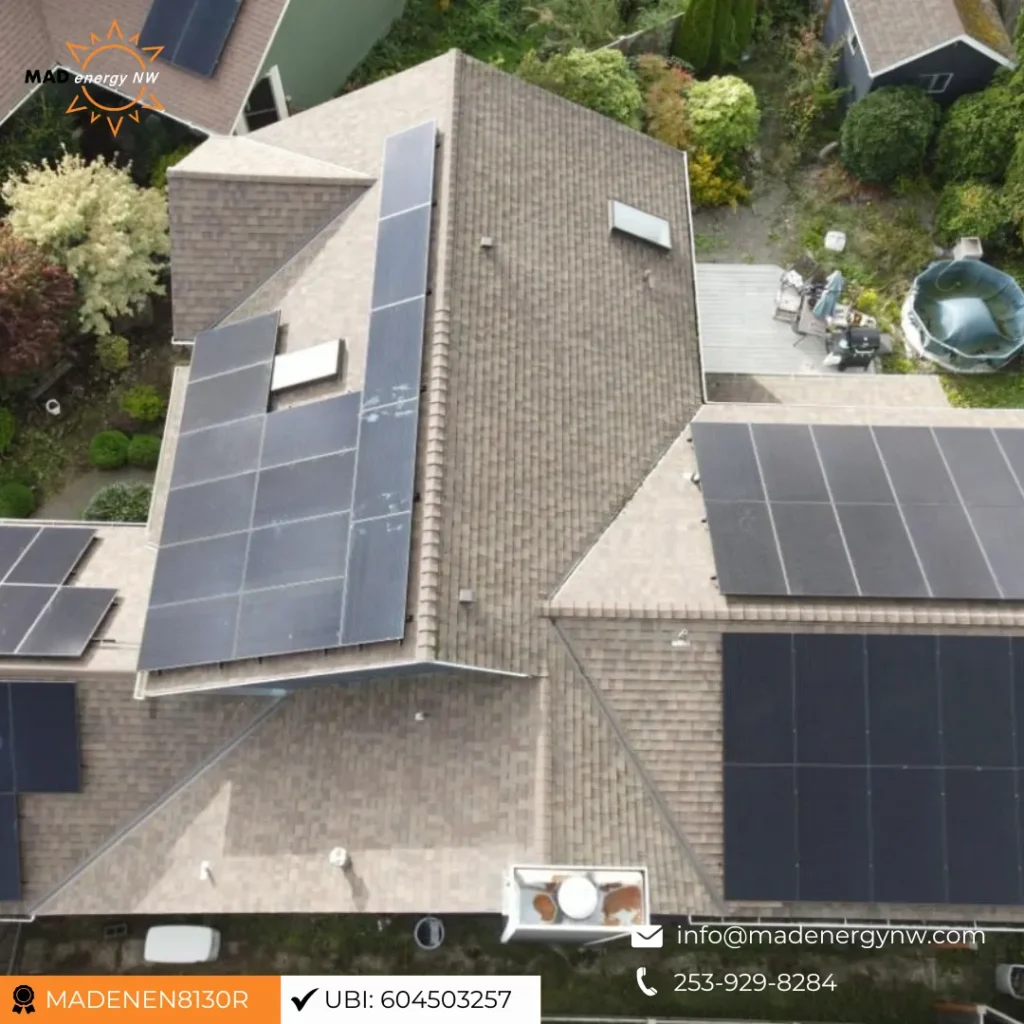
MAD Energy NW works with homeowners across Seattle who question whether solar still makes sense once winter arrives. Cloud cover, shorter daylight hours, and frequent rain often lead people to wonder whether solar energy can deliver meaningful value during the colder months. Even under these conditions, a well-planned solar panel installation in Seattle remains an important part of a home’s year-round energy strategy.
Solar systems are designed to operate within Seattle’s climate, not in spite of it. While winter production differs from summer output, these changes are expected and accounted for in system design. Understanding how solar functions during cloudy winter months helps homeowners evaluate performance realistically rather than relying on seasonal assumptions.
How Solar Panels Respond to Cloudy Winter Conditions
Solar panels generate power by converting available light, even when skies are overcast, rather than relying on heat or clear conditions. Cloud cover reduces light intensity, lowering daily production compared with bright summer days. During winter, this effect is combined with shorter daylight hours and a lower sun angle.
These conditions influence how much electricity a system produces on a given day, but they do not prevent solar panels from operating. MAD Energy NW designs residential solar systems with Seattle’s seasonal patterns in mind so winter output aligns with realistic expectations rather than peak summer performance.
Seasonal Production Is Part of Annual System Planning
Solar energy should be evaluated across an entire year rather than judged by winter days alone. Summer months in Seattle bring longer daylight hours and clearer skies, which often result in higher production levels. That seasonal balance is an intentional part of system planning.
MAD Energy NW accounts for these variations during the design process, ensuring homeowners understand how winter and summer production work together over time. This perspective helps explain why solar remains practical even when winter conditions limit daily output.
Net Metering Supports Winter Energy Use
Net metering is critical to the effectiveness of solar systems in Seattle’s cloudy winters. When a household’s solar system produces more power than is immediately needed, the unused electricity flows back through the utility connection and is applied as a credit.
Those credits can then offset electricity drawn from the grid during winter months, when solar production is naturally lower. MAD Energy NW highlights net metering because it enables solar systems to deliver value year-round without relying on daily production.
Battery Storage and Winter Power Outages
Winter weather in Seattle can increase the likelihood of power outages. Battery storage becomes relevant in these situations, but its role should be clearly understood. Batteries store electricity generated by solar panels and supply backup power when the utility grid goes down.
Battery systems are intended for emergency backup during outages, not for everyday nighttime use or to compensate for cloudy weather. MAD Energy NW emphasizes battery storage as a resilience option rather than a tool for increasing daily winter production.
Roof and Ground Solar Options in Seattle
Most residential solar systems in Seattle are roof-mounted due to space efficiency and cost considerations. Standing metal seam roofs are compatible with solar installations and allow secure mounting without compromising roofing materials. Roof orientation and available space influence panel placement, while seasonal performance is addressed through system design rather than roof type alone.
Properties with adequate open space may also accommodate a ground-mounted solar system. These systems can allow for larger arrays when roof space is limited. MAD Energy NW evaluates both options to determine which approach best fits the property and energy goals, rather than assuming one approach works for every home.
System Components Designed for Local Conditions
A residential solar system includes more than panels alone. Inverters convert electricity into a usable form for the home, racking secures panels to the structure, and electrical connections integrate the system with the utility grid. Each component must function reliably in Seattle’s damp and variable winter conditions.
MAD Energy NW uses high-quality solar products designed and certified by a licensed electrical engineer. Systems are built to meet strict energy and electrical standards, ensuring dependable operation through seasonal changes.
Why Solar Still Makes Sense for Seattle Homes
Seattle’s climate features cloudy winters but also offers extended daylight in summer, which supports annual solar performance. When paired with net metering and thoughtful system design, solar continues to reduce reliance on grid electricity over time.
MAD Energy NW designs residential solar systems to reflect local weather patterns, utility structures, and household energy needs. This approach keeps solar a practical option even when winter conditions limit daily production.
Further Reading:
- How Proper Electrical Design Supports Safe, Even Connections in Residential Solar Systems
- Considerations That Matter When Choosing a Residential Solar Installer for New Homes
Planning Solar With Clear Expectations
Cloudy winter months reduce daily electricity generation from solar panels, but they do not eliminate the long-term value of solar energy. Evaluating performance across the full year provides a clearer picture of how solar fits into a home’s energy plan. Net metering helps balance seasonal fluctuations, and battery storage provides protection during outages without affecting daily solar operation.
Contact MAD Energy NW to schedule a solar panel installation in Seattle designed for local winter conditions.