Solar companies in Bellevue approach winter panel inspections and maintenance with a different focus than work scheduled during warmer months. Cooler temperatures, frequent rainfall, and shorter daylight hours shape how systems are evaluated, even though solar installations are designed to operate year-round. Winter inspections concentrate on system condition, safety, and readiness rather than short-term production levels.
Homeowners researching solar companies in Bellevue during winter are often planning proactively. Winter inspections are intended to verify that panels, mounting systems, and electrical components continue to operate as designed when exposed to seasonal moisture and changing weather conditions.
Winter Conditions Change Inspection Priorities
Winter weather does not prevent solar systems from generating electricity, but it does influence what inspectors look for. Rainfall increases exposure to moisture, while fallen leaves and debris may collect near panels or roof edges, particularly on properties surrounded by trees.
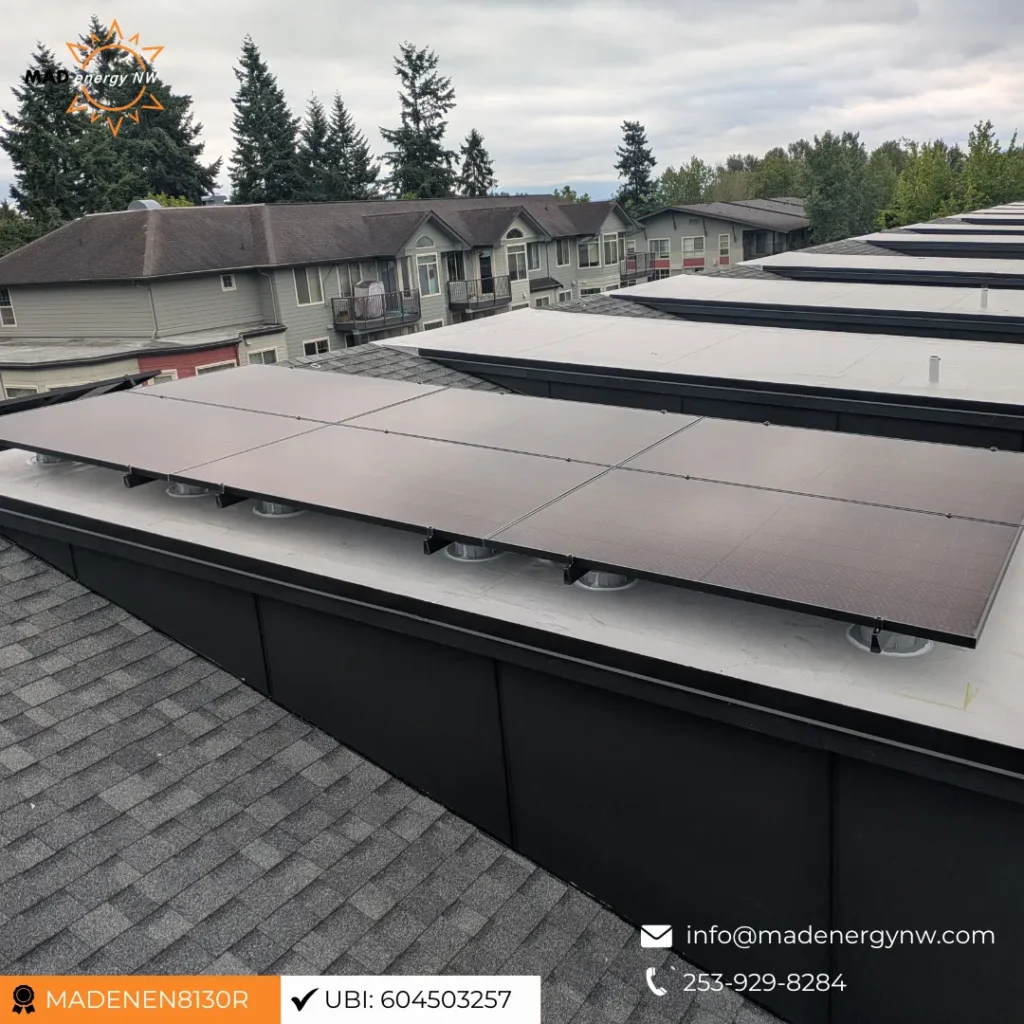
Inspections confirm that panels remain securely mounted and that racking systems continue to hold their position under seasonal exposure. Inspectors also review visible wiring and connection points to ensure water has not entered areas where it could affect system reliability. These checks help confirm that the system remains structurally sound through the wettest months of the year.
Panel Performance Is Reviewed Without Seasonal Assumptions
Solar panels often perform efficiently in cooler temperatures, even though shorter daylight hours reduce total daily output. Winter inspections account for this difference and avoid treating lower production as a cause for concern.
Instead of comparing winter output to summer conditions, inspectors review system behavior for consistency. Sudden changes, irregular readings, or communication issues receive closer attention, while expected seasonal variation is documented without unnecessary intervention. This approach helps distinguish normal winter operation from actual system issues.
Racking and Roof Interfaces Receive Extra Attention
Roof-mounted solar systems depend on proper integration with the roof surface. Winter inspections place additional focus on mounting points, flashing, and racking hardware because these areas are repeatedly exposed to moisture.
Inspectors check that mounting systems remain secure and that roof penetrations continue to perform as intended. Standing metal seam roofs, which are compatible with solar installations, are evaluated to confirm that clamps and attachment points remain stable without affecting roof performance. Careful review of these interfaces helps prevent minor issues from escalating into larger problems later in the year.
Electrical Components Are Checked for Seasonal Stress
Electrical components remain a critical part of winter inspections. Inverters, conduit, junction boxes, and grounding systems are reviewed to confirm they remain protected from moisture and temperature-related stress.
Inspectors examine visible wiring paths and connection points to ensure nothing has shifted, loosened, or become exposed. These checks support continued compliance with electrical standards and help maintain safe operation during periods of increased weather exposure. Addressing minor concerns early reduces the likelihood of electrical issues during higher production months.
Battery Systems Are Evaluated Separately From Solar Panels
When battery storage is part of a solar project, winter inspections treat battery systems as a separate component. Batteries are designed to provide backup power during grid outages, not to support daily or nighttime energy use.
Inspections confirm that batteries remain ready for emergency operation by reviewing system communication, connection integrity, and overall readiness. The focus stays on reliability rather than frequent cycling or seasonal energy shifting. This ensures backup systems are ready when needed.
Maintenance Is Preventive, Not Reactive
Winter maintenance does not involve aggressive cleaning or frequent system adjustments. Rain often helps rinse panels naturally, and excessive cleaning during winter is rarely necessary.
Maintenance reviews focus on prevention, such as checking drainage paths, panel edges, and surrounding areas for debris buildup. Addressing these conditions early helps preserve long-term system performance without disrupting normal operation. Preventive maintenance supports system stability as conditions transition into spring.
Net Metering Considerations During Winter
Net metering affects how homeowners balance electricity use across different seasons by allowing excess generated power to be credited back through the utility system. During winter, when solar production is lower, net metering credits generated during higher-production periods help offset electricity drawn from the grid.
Inspections confirm that systems remain properly connected and communicating with the utility so exported energy continues to be tracked accurately. This ensures net metering participation remains uninterrupted as production increases later in the year.
Winter Inspections Support Long-Term Planning
Winter inspections help homeowners plan rather than react to seasonal changes. Identifying minor concerns early reduces the risk of disruptions during spring and summer, when systems generate more electricity. This approach sets realistic expectations for year-round solar performance and helps homeowners enter higher-production months with confidence in their system’s condition.
Further Reading:
- What Drives Bellevue Homeowners to Work With Local Solar Installers
- When Residential Solar Panel Installation Becomes a Practical Home Upgrade
Keeping Solar Systems Reliable Through Winter
Winter panel inspections focus on confirmation, safety, and preparedness rather than short-term output changes. Seasonal conditions influence what is reviewed, but they do not change how well-designed systems operate.
Schedule a winter inspection with MAD Energy NW and work with experienced solar companies in Bellevue.