
Generator Installation Guide for Washington Homeowners
Power outages in Washington can interrupt heating systems, refrigeration, well pumps, and other essential electrical loads. Planning for residential generator installation involves more than selecting equipment. Washington homeowners must account for permitting, electrical code compliance, fuel connections, and inspection requirements before a generator can operate legally and safely.
MAD Energy NW manages generator installations with full attention to state and local compliance standards. This guide explains what Washington homeowners should understand before moving forward, including regulatory requirements, safety considerations, and the structured installation process.
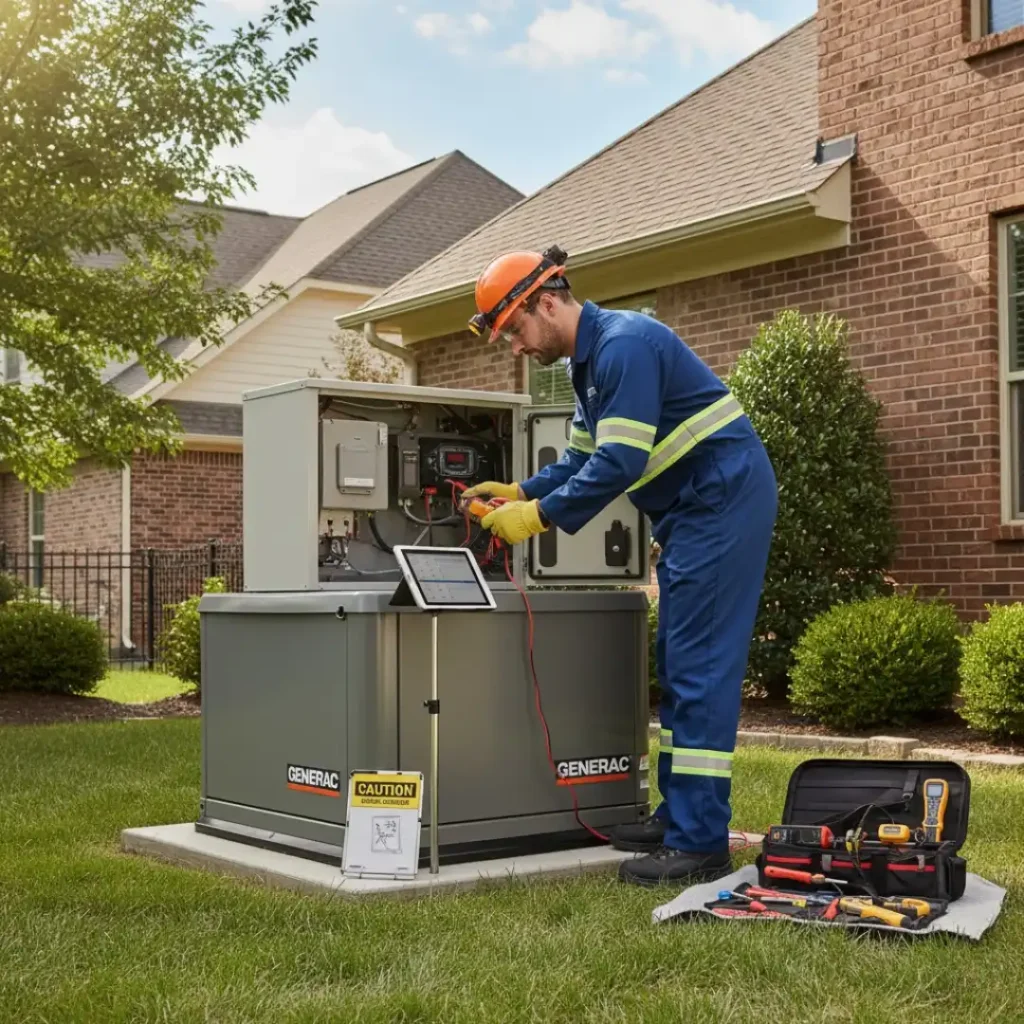
Washington State Laws and Permit Requirements
Permanent standby generators in Washington are regulated under state electrical safety laws and local municipal codes. In most situations, an electrical permit is required before installation begins.
The Washington State Department of Labor and Industries outlines electrical permit requirements here.
Washington adopts the National Electrical Code through state regulation. Generator wiring, transfer switches, grounding, and service connections must comply with those standards. The current adopted electrical code information is available here.
In addition to state electrical permits, local jurisdictions may require mechanical permits, site plans, setback documentation, or zoning review, depending on the property and generator type. Because requirements vary by jurisdiction, professional installation helps ensure the correct permits are secured, and inspections are completed before activation.
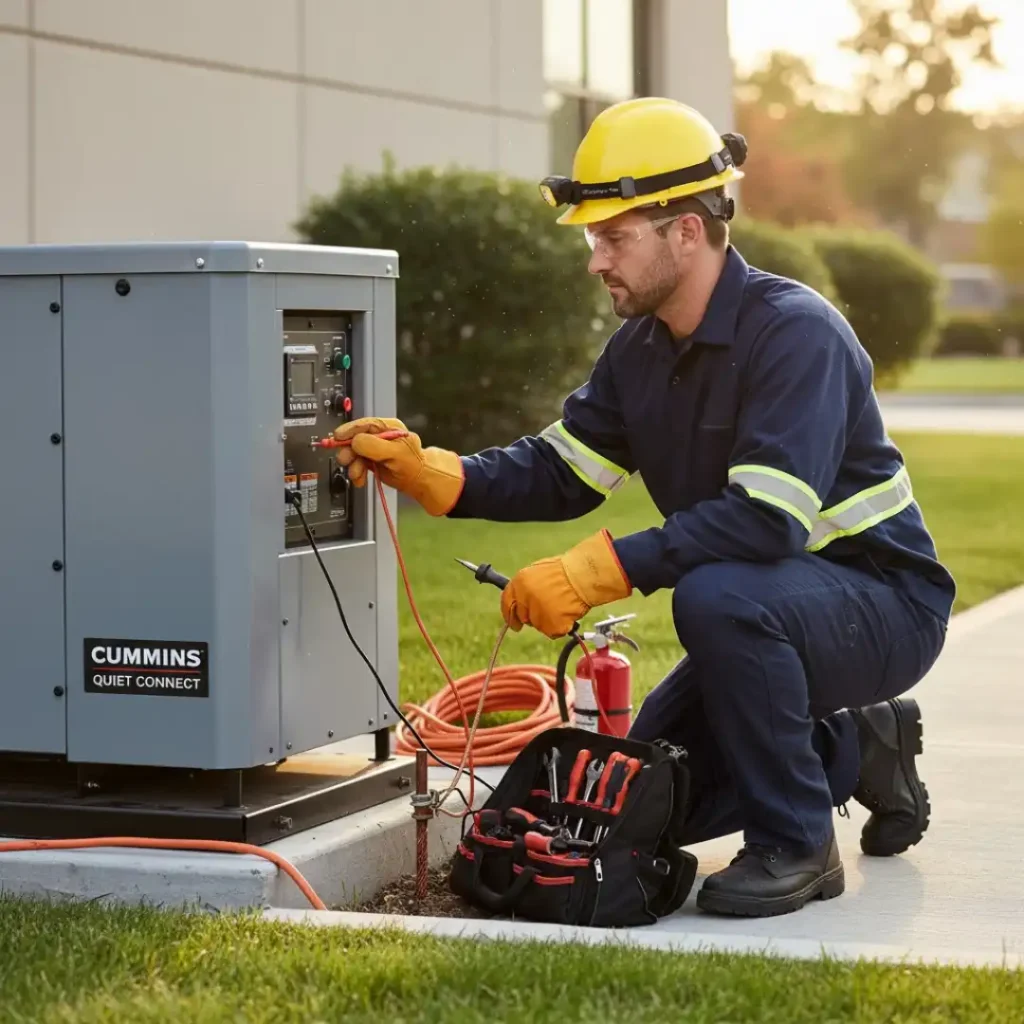
Why Professional Installation Matters
Standby generators connect directly to a home’s electrical system and fuel source. Improper wiring can create significant hazards, including backfeeding electricity into utility lines during an outage. This condition can endanger utility personnel and damage electrical equipment inside the home.
Professional installation helps ensure:
- Code-compliant transfer switch integration
- Proper grounding and bonding
- Accurate load calculations
- Safe fuel line connections
- Inspection approval prior to operation
Failure to follow permit and inspection requirements may result in penalties, denied insurance claims, or voided manufacturer warranties. Working with experienced backup generator installers helps reduce these risks and ensures the system meets Washington code standards.
The Risks of Attempting DIY Generator Installation
Permanent standby generators are not plug-in appliances. They require integration with the electrical service panel, proper grounding, and code-compliant transfer switching. Attempting installation without the required licenses and permits can violate Washington electrical regulations and result in failed inspections.
Improper wiring can damage service panels, create fire hazards, or energize utility lines during outages. Many manufacturers require professional installation to maintain warranty coverage. Work performed without proper permits or inspections may also affect homeowners’ insurance claims.
Because of these risks, permanent generator systems should be installed by licensed professionals familiar with Washington electrical and municipal requirements.
Overview of the Generator Installation Process
While installation must be handled by licensed professionals, understanding the general process helps homeowners prepare.
Site Assessment
MAD Energy NW evaluates the property to determine generator placement, required clearances, proximity to fuel sources, and electrical panel configuration. Local zoning and setback requirements are reviewed at this stage.
Load Evaluation and Equipment Selection
A professional load calculation determines whether the system will support essential circuits or provide whole-home backup. Generator sizing must align with panel capacity and adopted electrical code standards.
Permit Application
Electrical permits are obtained through the appropriate state or local authority before work begins. Some jurisdictions may require additional mechanical or land use permits.
Installation and Electrical Integration
Licensed electricians install the generator pad, transfer switch, electrical connections, and fuel supply lines in accordance with Washington code requirements.
Inspection and Testing
After installation, the governing authority completes the required inspections. Once approved, the system is commissioned and tested to confirm proper operation.
While installation must be handled by licensed professionals, understanding the general process helps homeowners prepare.
Ongoing Generator Service
After installation, standby generators require periodic servicing to remain reliable. Routine inspections, battery checks, and operational testing help ensure readiness during outages. Professional service supports continued safe operation and compliance with manufacturer requirements.
Fuel Type and Placement Considerations
Washington residential installations typically use natural gas- or propane-powered standby generators. Placement must comply with clearance requirements for structures, windows, and vents. Municipal codes may also address ventilation and noise standards.
Professional installers verify that generator placement meets manufacturer specifications and local building requirements. Incorrect positioning can delay approval or require relocation.
Plan Your Installation With Confidence
Residential generator installation in Washington requires careful coordination with electrical code standards and local permitting authorities. MAD Energy NW manages the process from assessment through final inspection so homeowners can move forward with confidence.
Contact MAD Energy NW to schedule a consultation for professional residential generator installation.