
EV Charger Repair
Repairing Electric Vehicle (EV) Charging Stations
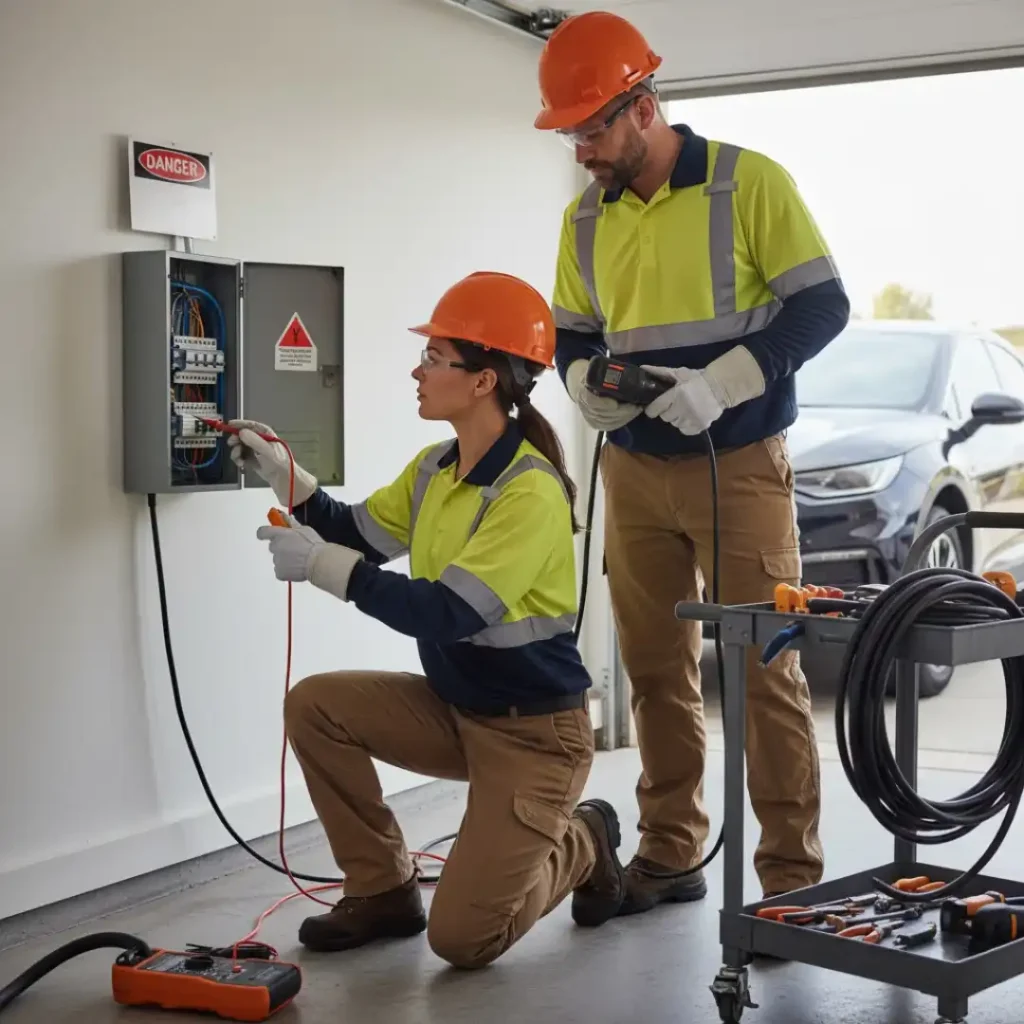
Common EV Charger Problems
Even small electrical irregularities can cause an EV charger to malfunction. Our electricians handle a wide range of issues, including the following:
- Chargers that won’t start or stop charging unexpectedly
- Reduced charging speed or power fluctuations
- Faulty wiring between the charger and panel
- Breakers tripping during use
- Damaged plugs, cables, or connectors
Each problem is carefully assessed to determine whether a repair or component replacement is the safest, most efficient solution.
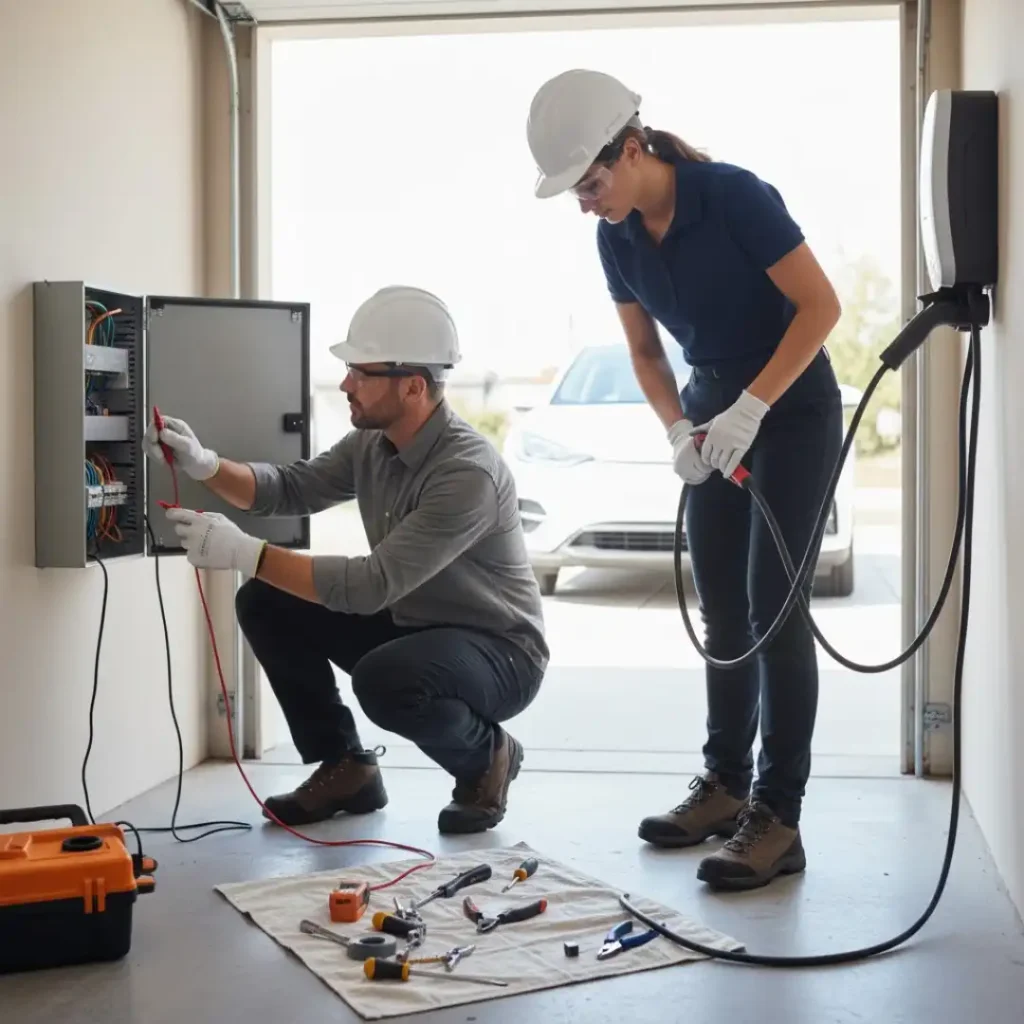
Our Diagnostic and Repair Process
MAD Energy NW uses advanced testing equipment to evaluate voltage levels, circuit capacity, and charger performance. We ensure each system operates safely and efficiently according to manufacturer standards.
Our process includes the following:
- Checking voltage at the panel and charger terminals
- Testing grounding and circuit continuity
- Inspecting cable insulation and plug connections
- Replacing damaged parts or connectors
- Verifying safe, consistent charging after repair
All repairs are performed in compliance with Washington State electrical codes and EV manufacturer specifications.
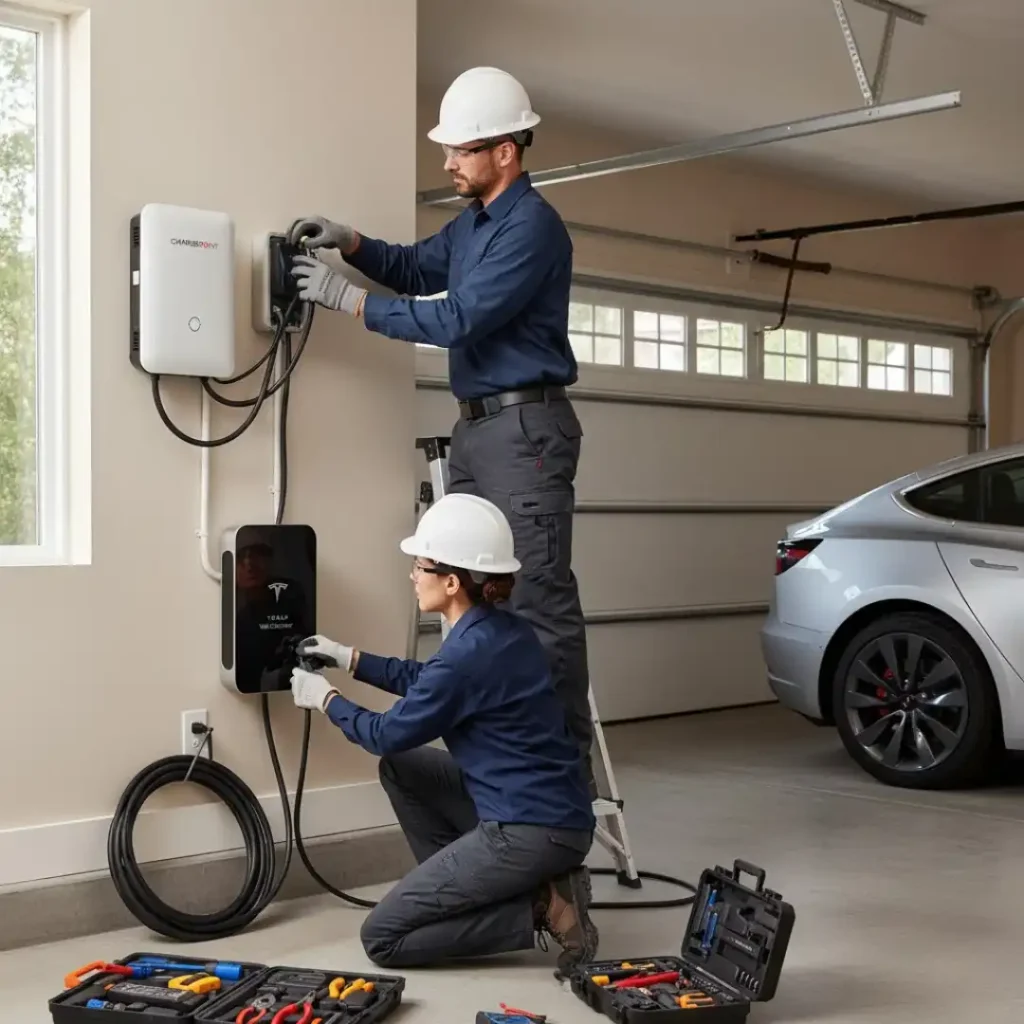
When to Upgrade or Replace
If your charger is outdated or incompatible with newer vehicles, upgrading to a modern, high-capacity unit can improve charging efficiency and reliability. Our team provides professional installation and setup for Level 1, Level 2, and hardwired systems.
We handle the full process—from disconnecting old equipment to configuring new chargers—while ensuring all electrical connections remain secure and code-compliant.
Reliable Power for Every Charge
Frequently asked questions
Why won’t my EV charger start charging?
A charger that fails to begin charging may have a tripped breaker, a wiring issue, insufficient voltage, or an internal component fault that requires inspection.
What causes an EV charger to stop charging mid-session?
Unexpected interruptions can result from overheating protection, unstable power delivery, loose connections, or a problem within the charger’s control system.
Why does my breaker trip when I use the charger?
Breaker trips may indicate a circuit overload, improper wiring, grounding issues, or a fault in the charger that is drawing excessive current.
Can reduced charging speed signal an electrical issue?
Yes. Slower charging may be due to a voltage drop, insufficient circuit capacity, or deteriorating wiring between the panel and the charging unit.
Should EV charger repairs be handled by a licensed electrician?
Yes. EV chargers operate on high-capacity circuits, and professional service ensures safe wiring, proper grounding, and compliance with electrical codes and manufacturer standards.