
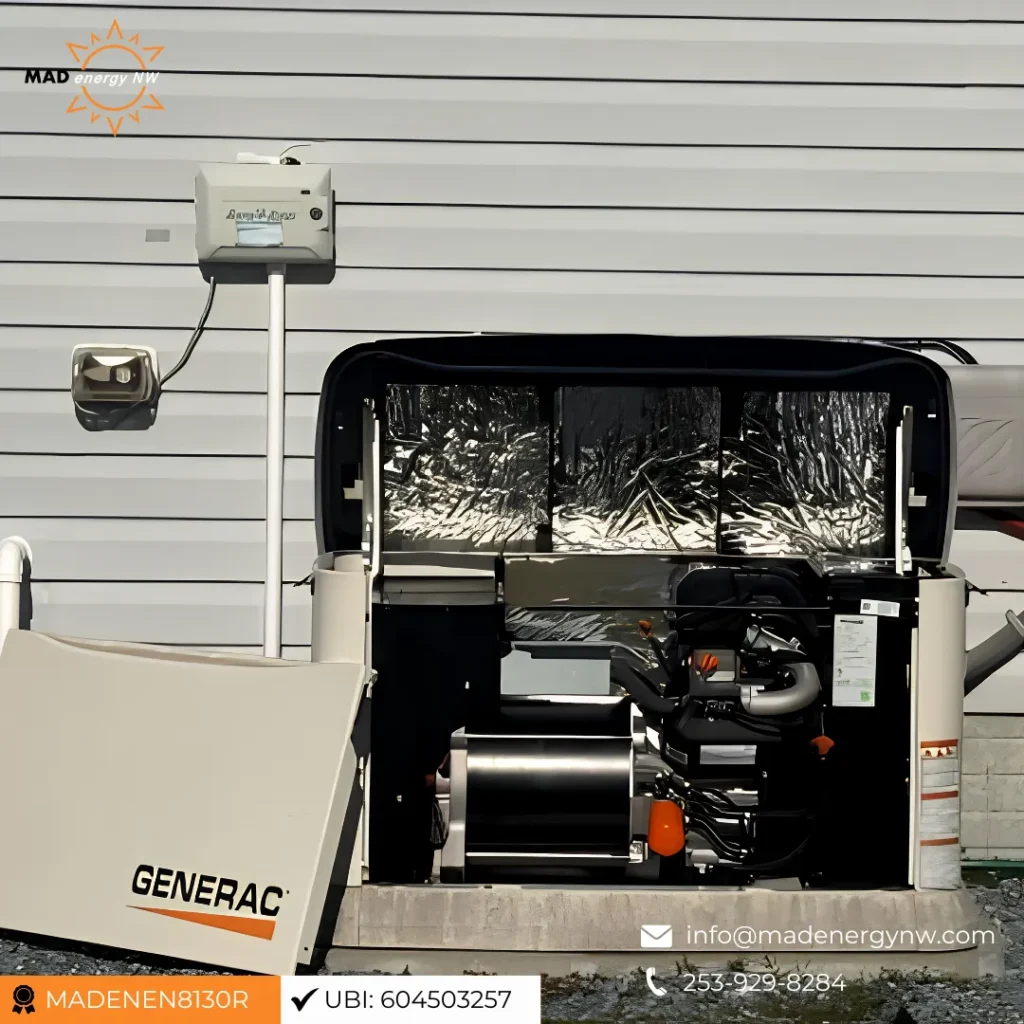
Summer heatwaves in Everett, WA put intense pressure on the local power grid. High electricity demand often causes sudden power drops across local neighborhoods. Having a standby generator helps keep your home or business safe when the main power grid collapses.
However, a standby generator cannot restore electricity without a working automatic transfer switch. The switch senses power loss and moves your electrical load to the backup system. Prompt generator transfer switch repair ensures your system switches over smoothly during an emergency.
Our professionals frequently see transfer switches fail due to mechanical wear and summer heat. Extreme temperatures cause metal components to expand and jam inside the electrical panel. Hot weather also speeds up rust on wire terminals and internal contact points.
Identifying Switch Failures in Extreme Weather
Summertime heat accelerates corrosion on outdoor electrical panels and switch enclosures. Damp coastal air combined with warm weather creates rust on critical mechanical moving parts. When contacts corrode, electrical resistance creates hot spots that damage sensitive copper wiring.
Our professionals inspect transfer switches to find hidden warning signs before total failure occurs. Common physical warning signs include loud humming noises, burning smells, or delayed switching action. Ignoring these early warning signs can leave your facility without electricity during a blackout.
Our team focuses on protecting local properties from sudden electrical disruptions during grid outages. Heavy electrical surges during grid restoration can damage stuck switches even further. Scheduled maintenance catches electrical faults before a severe heatwave knocks out regional power lines.
Professional Solutions for Switches That Fail to Transfer Power Automatically
When automatic transfer switches stop working, qualified electricians must perform a complete systematic inspection. Standard safety rules require specialized gear to handle high-voltage electrical connections safely.
Here is the professional checklist required to resolve automatic power transfer failures:
- Verify Utility Line Voltage and Signal Sensing
Technicians check incoming power levels from the local utility grid. High or low voltage signals tell the internal control board when to transfer electrical loads. Measuring these power signals confirms if the failure stems from grid supply or control logic errors. - Inspect the Mechanical Transfer Mechanism for Binding
Our team evaluates the mechanical interlocks and moving contacts inside the cabinet enclosure. Severe heat stress can cause metal mechanical arms to stick or jam in place. Manual override levers must be tested to ensure smooth motion without forcing mechanical parts. - Test Automatic Control Logic Boards and Switching Relays
Electronic control modules send signals to crank the generator and shift electrical circuits. Microprocessors and circuit boards need calibrated test equipment to identify burnt relay switches or blown fuses. Damaged control boards prevent automatic power transfers even when the generator engine starts. - Examine Internal Wiring for Thermal Damage and Loose Terminals
Repeated heating and cooling cycles cause electrical connections to expand and loosen over time. Loose wire lugs create arc flashes, burn insulation, and trigger safety circuit trips. Technicians tighten all lug connections to precise torque settings and clean corroded terminal contact surfaces. - Perform Full Load Transfer and Auto-Reset Function Tests
Our professionals conduct a simulated power blackout test under controlled safety conditions. This test verifies that the switch shifts the full electrical load within standard response time limits. The system must also safely return your building to main power once utility lines recover.
Standard Safety Practices and System Protection
High-voltage transfer equipment operates under strict safety guidelines set by national electrical codes. Working near active electrical panels creates severe arc flash hazards for untrained building owners. Licensed electricians use personal protective gear and insulated safety tools on every service call.
MAD Energy NW applies strict safety protocols during every service appointment. Standard maintenance procedures prevent dangerous voltage spikes from damaging delicate appliances and electronic equipment. Proper switch operation protects both your property and power grid utility crews during repairs.
We deliver thorough switch inspections to verify that your system meets local safety regulations. Routine service protects starter batteries, electronic control units, and heavy-duty contactors. Keeping electrical components clean ensures continuous power delivery during extended grid failures.
Further Reading:
- The Importance of a Home Electrical Panel Upgrade in Auburn
- Addressing Flickering Lights Following a Whole-House Rewire in Washington
Reliable Emergency Power Services in Everett
Summer heatwaves bring sudden blackouts that put your home or commercial facility at risk. A broken transfer switch keeps your standby generator from powering your building during a real crisis. Fixing worn electrical components before severe weather hits protects your critical backup systems from sudden damage.
Contact MAD Energy NW today to schedule your generator transfer switch repair before the next major power outage hits.